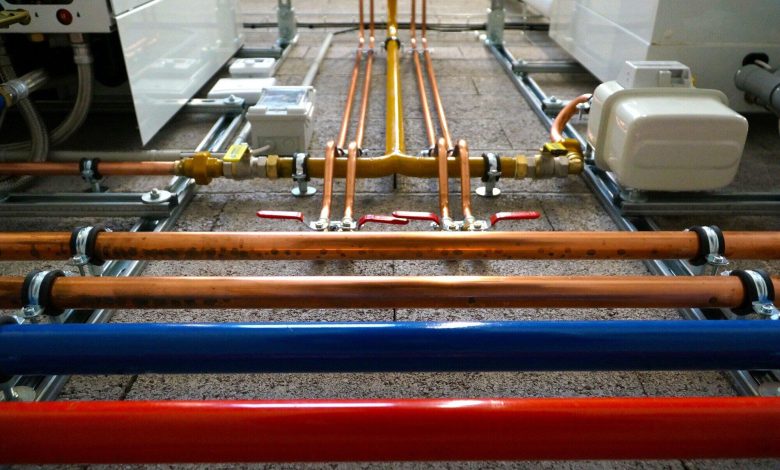
Pipe fabrication is an essential process in many industries. It creates the pipes used to carry liquids or gases safely. Techniques like Pipe welding techniques make sure these systems are strong and reliable.
But what makes this process work so well? From choosing materials to assembling the final system, every detail matters.
Learning about these techniques can save time, money, and effort. This guide explains the basics, tools, and best practices for successful pipe fabrication.
What Is Pipe Fabrication?
Pipe fabrication is about building strong, reliable piping systems. The process starts with planning and measuring. Pipes are then cut, bent, and joined to match project needs.
Each step must be accurate to create a functional design. Tools like CNC pipe benders help shape pipes with precision. Following the fabrication process steps ensures the pipes fit perfectly and last longer. Pipe systems made with care are safer and perform better over time.
Welding Methods for Pipes
Welding is a key part of putting pipes together. Pipe welding techniques like TIG, MIG, or stick welding create tight seals. The choice of method depends on the pipe material and thickness.
Weld preparation, like cleaning and aligning the edges, is very important. Good welding prevents leaks and keeps the system secure. In Industrial pipe solutions, skilled welders focus on making strong connections. Using the right technique ensures pipes stay in place under pressure.
Tools You Need for Pipe Work
Having the right tools makes pipework easier and faster. CNC pipe benders are perfect for shaping pipes with clean, even bends. Tools for cutting pipes, like saws or plasma cutters, give smooth edges. Clamps and alignment tools hold pipes steady for better connections.
Choosing high-quality tools also reduces mistakes and saves time. These tools are especially helpful in Efficient pipe assembly for large projects, where accuracy matters most.
Steps to Build a Pipe System
Making a good pipe system takes careful planning. Start with creating a layout and measuring everything twice. Pipes are then cut to fit the design, following exact measurements.
After cutting, joining methods like welding or threading are used to connect the pieces. Regular checks during assembly ensure everything lines up correctly. Taking time with these steps avoids problems later. A well-made system works smoothly and lasts longer with fewer repairs.
Staying Safe and Keeping Quality High
Safety and quality are two things you can’t ignore in pipe work. Using protective gear keeps workers safe from accidents. Good materials and regular inspections make sure the pipes meet standards. Pipe-cutting methods should be precise to avoid weak spots.
Keeping tools in good shape also helps with accuracy and safety. When safety and quality are priorities, the final system is more reliable. Customers trust systems built with care and attention to detail.
Learn These Pipe Fabrication Techniques and Best Practices
Pipe fabrication combines planning, precision, and skill to create strong systems. Techniques like Pipe welding techniques and Pipe cutting methods are vital for success. Tools like CNC Pipe Benders improve accuracy and save time.
By following best practices, you ensure a safe and reliable pipe system. Each step, from choosing materials to assembly, affects the final product.
Want to learn more? Check out our blog for more articles on related topics!