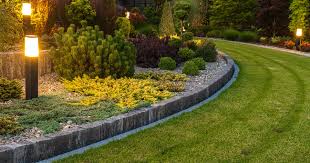
Landscaping isn’t just about planting a few shrubs and calling it a day. It’s a symphony of elements working together to create a space that is not only beautiful but also functional and enduring. From irrigation and drainage to lighting and planting, each part must harmonize to deliver results that stand the test of time. That’s where landscaping software steps in—offering the tools needed to bring this vision to life with precision and creativity.
Why Integration Matters in Landscaping Systems
Every landscaping project is a puzzle. Irrigation ensures plants thrive, drainage protects against water damage, lighting creates ambiance and safety, and the overall design ties it all together. But these elements can’t operate in silos. A lighting plan that ignores the irrigation layout, for instance, might lead to cables running through sprinkler lines—a recipe for disaster.
The magic happens when these systems are designed to complement one another. This is where landscaping software becomes invaluable, acting as a bridge between creativity and practicality. By integrating every component into one cohesive plan, it’s easier to visualize how the final project will function and look—and to make adjustments before breaking ground.
How Landscaping Software Brings it All Together
Modern landscaping software isn’t just about drawing pretty pictures. It’s a powerhouse of features that cater to every aspect of a landscaping project. Let’s break it down:
- Irrigation Design: Planning an efficient irrigation system is critical. The software allows for precise placement of sprinkler heads, drip lines, and controllers while accounting for water pressure, flow rates, and plant water needs. This ensures every plant gets the care it requires without wasting resources.
- Landscape Design: This is the heart of the project. With tools for 2D drafting and 3D modeling, professionals can create detailed layouts that include everything from plant selections to hardscape features like patios and walkways. Visualizing the design in 3D helps communicate the vision to clients effectively.
- Lighting Design: Outdoor lighting isn’t just functional; it’s transformative. Software tools make it possible to experiment with different types of lighting, from accent lights for highlighting architectural features to pathway lights for safety. These tools also ensure that wiring and power sources are mapped out in harmony with other systems.
- Drainage Design: Poor drainage can undo all the hard work. Software simplifies the process of designing systems to channel water away from structures and prevent erosion. By mapping out slopes and runoff patterns, potential problem areas can be identified and resolved early on.
Benefits of Using Landscaping Software
What sets professionals apart in the landscaping world is attention to detail, and software elevates this to another level. For service providers like Naperville landscapers, integrated software tools have become essential for delivering the kind of precision-designed outdoor environments that discerning Midwest homeowners increasingly expect. Here are some standout benefits:
- Precision and Accuracy: Manual drawings leave room for error, but software tools ensure measurements and placements are exact. This precision reduces costly mistakes during installation.
- Time Savings: With features like automated calculations and pre-loaded templates, creating a comprehensive design takes a fraction of the time compared to traditional methods.
- Enhanced Collaboration: Whether working with clients, contractors, or team members, software provides a shared platform where everyone can view and contribute to the design.
- Client Confidence: Seeing is believing. 3D renderings and detailed plans help clients visualize the final outcome, making approvals faster and easier.
- Sustainability: By planning irrigation, drainage, and planting with software, it’s easier to create eco-friendly designs that conserve water and reduce environmental impact.
Designing for Longevity
A well-designed landscape should thrive for years, not just look good on day one. This requires planning for growth, wear, and the effects of weather. Landscaping software allows for simulations and testing, helping professionals design systems that adapt over time.
For example, irrigation needs may change as plants mature, and drainage systems must handle both typical rainfall and extreme weather events. Lighting fixtures need to withstand outdoor conditions while remaining functional and attractive. By integrating these considerations into the design phase, the resulting landscape is built to last.
Choosing the Right Software for Your Needs
Not all landscaping software is created equal, so finding the right fit is key. Some platforms excel at irrigation design, while others focus on visual renderings. The best options offer a balance of functionality and usability, catering to both technical and creative needs.
Look for features like:
- Compatibility with other tools (e.g., CAD software)
- Extensive plant and material libraries
- Real-time collaboration capabilities
- Support for both 2D and 3D design
Popular platforms like Land F/X, Vectorworks Landmark, and SketchUp are trusted by professionals across the green industry. Each has unique strengths, so the choice often depends on the scope and focus of the projects.
The Future of Landscaping Design
Technology in the landscaping industry continues to evolve, and the future looks exciting. AI-driven recommendations, virtual reality walkthroughs, and sustainability-focused features are just the beginning. Imagine software that suggests plant pairings based on regional climate data or predicts the long-term impact of drainage choices. These innovations are set to make the design process even more intuitive and powerful.
Bringing It All Together
Landscaping is more than just creating an outdoor space—it’s about crafting an experience. When irrigation, drainage, lighting, and planting come together in harmony, the result is a landscape that’s not only stunning but also functional and enduring. With the right software, professionals can bring their visions to life with unmatched precision and efficiency.
So, whether it’s a backyard oasis, a corporate campus, or a public park, integrated landscaping design is the key to success. And with the tools available today, the possibilities are endless.