Key Takeaways
- Learn practical strategies for managing common household pests.
- Understand the importance of preventative measures in pest control.
- Discover eco-friendly solutions that reduce reliance on chemicals.
- Find useful links to authoritative resources for further guidance.
Introduction to Pest Management
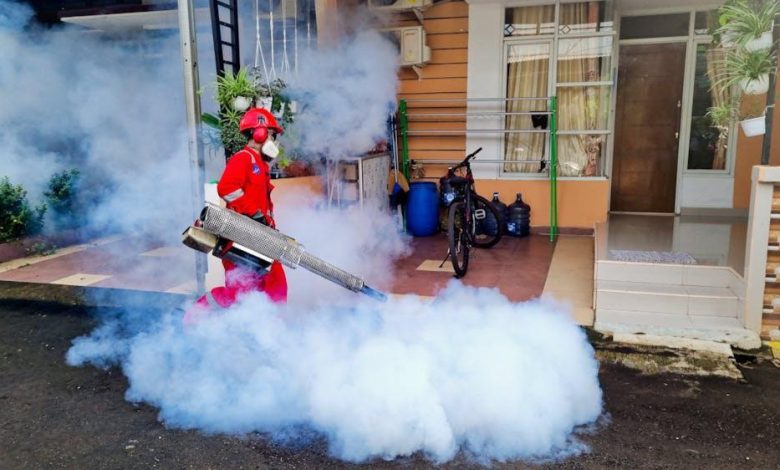
Pests, whether small insects or larger mammals have a knack for unsettling the harmony of our homes. They might be bothersome, but more critically, they present serious health hazards and can result in considerable property destruction. The key to maintaining a comfortable living space is effective pest management. Whether you’re facing a sudden surge of ants or seeking strategies for mosquito control in Birmingham, understanding the nuances of pest control is indispensable. Prevention, timely intervention, and knowledge are the cornerstones of an effective pest management strategy that saves time and energy and prevents the potential financial loss associated with pest damage.
Understanding Common Household Pests
Understanding your opponent is half the victory achieved. Common household pests like ants, termites, and rodents each have unique behaviors and risks. Termites, for example, are adept at silently destroying wood, which can jeopardize the structural stability of your house if not addressed. Rodents bring different challenges as they can spread diseases through their droppings and contaminate food sources. Understanding the specific habits of these pests — such as their preferred habitats, food sources, and breeding patterns — allows for more targeted and effective outdoor pest management solutions, thus avoiding more significant problems.
Preventative Measures: The First Line of Defense
Prevention is undeniably the most efficient form of pest control. Simple, actionable steps can make a significant difference in keeping pests away. Regularly checking for and sealing any openings in walls, windows, and doors helps prevent pests from entering. Maintaining a clean home also plays a critical role in removing potential food sources that attract pests. Dispose of trash correctly and keep food in airtight containers. Regular home inspections can help identify minor issues before they become significant infestations. Proactive rather than reactive is key to successfully managing pests and entails consistent effort and vigilance.
Eco-Friendly Pest Control Solutions
In recent years, there has been a shift towards more environmentally sustainable pest control methods. Eco-friendly pest control is not just good for the planet but also beneficial for household health. Methods such as using natural and biological pest repellents can be highly effective without introducing toxic chemicals. For example, essential oils such as peppermint and eucalyptus possess qualities that can deter certain insects. Using physical barriers, traps, and the introduction of natural predators can significantly reduce pest populations. These solutions provide a balanced and sustainable approach to pest control, harmonizing household needs with environmental conservation.
Recognizing and Managing Infestations
Despite the best preventative measures, infestations can still occur. Early recognition is pivotal. Signs include track marks, droppings, gnaw marks, or increased pest sightings. Once signs are noticed, immediate steps should be taken to assess and manage the situation. Minor infestations can often be handled with DIY methods such as traps or natural repellents. However, understanding the scope by consulting an expert can help decide whether professional intervention is needed. In managing these early signs, quick response times can prevent small infestations from spiraling into significant issues, saving stress and expenses.
Professional Pest Control: When to Call in the Experts
DIY methods are effective for minor issues, but persistent or large infestations typically require professional intervention. Experts bring in-depth knowledge, specialized tools, and treatments not readily available to the average homeowner. They are equipped to deal with stubborn pest problems quickly and efficiently, minimizing health risks and potential damage. Knowing when to step back and seek help to prevent escalation is essential. A reputable pest control service will not only handle the current problem but also provide strategies to prevent future infestations, offering peace of mind and ensuring the safety of your home environment.
Real-Life Success Stories in Pest Management
Many homeowners have achieved successful pest control through persistence and adopting the right strategies. One notable example is a community that virtually eliminated its mosquito problem by implementing regular maintenance routines and using natural deterrents like garlic and citronella plants. These stories highlight how consistency and a combination of practices can significantly reduce or even eliminate pest problems. They inspire others to take control of their pest issues by adopting a proactive approach tailored to their specific needs and situations.
Resources for Further Learning
There is a wealth of information available for those eager to expand their understanding of pest management beyond basic strategies. It includes discoveries and techniques outlined in informative articles on pest control developments and climate implications. By staying informed, homeowners can adopt cutting-edge practices that align with the latest research and innovations in the pest management field, ensuring a healthy, pest-free home for the long term.