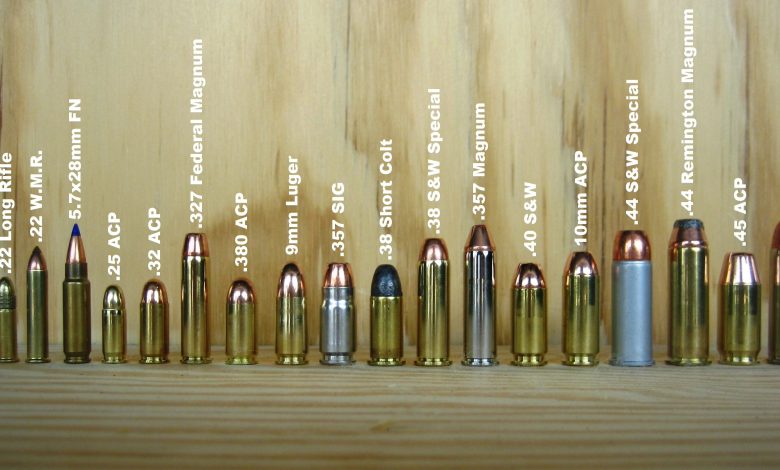
A bullet might seem like a simple tool, but there are many difference in bullet calibers. From the small and fast .22 caliber to the big and powerful .50 caliber, each has its own special features.
What makes them different? What affects how well they work?
In this post, we’ll explore the world of bullet calibers, looking at what sets each one apart. Whether you’re experienced with guns or just starting to learn, this blog will help you understand the strengths and weaknesses of different bullet calibers.
Get ready to discover more about these fascinating, yet simple, projectiles.
1. Physical Size and Design
Caliber is a measurement of the bullet’s diameter, typically expressed in millimeters or inches. For instance, a 9mm bullet measures approximately 0.355 inches, while a .45 ACP measures around 0.452 inches. Each caliber is designed for specific firearm ammunition types and has unique characteristics that affect performance.
Different calibers also have distinct designs, affecting how they expand or penetrate upon impact. For example, hollow point bullets are designed for expansion, causing greater tissue damage, while full metal jacket rounds tend to pass through with less deformation. Understanding the dimensions and designs can significantly influence a shooter’s effectiveness and choice of ammunition.
2. Recoil and Control
Generally, larger calibers produce more recoil, which can impact a shooter’s control and accuracy. For example, shooting a .44 Magnum can be a jarring experience, especially for novice shooters. In contrast, smaller calibers like .22 LR offer minimal recoil, making them perfect for beginners or for high-volume shooting without the fatigue associated with larger calibers.
Control is essential, especially in high-pressure situations. Shooters need to feel confident managing their firearm, and understanding how different calibers behave in terms of recoil will help them choose the right ammo for their needs.
3. Intended Use and Performance
Different calibers serve various purposes, affecting their suitability for hunting, self-defense, or target shooting. For example, .223 Remington and 5.56 NATO are common choices for tactical shooting and varmint hunting due to their precise accuracy and manageable recoil. Conversely, calibers like .308 Winchester are preferred for big-game hunting because of their stopping power.
Performance metrics such as muzzle velocity, energy transfer, and trajectory vary among calibers. For instance, lighter rounds typically achieve higher velocities, which can increase the effective range but may sacrifice stopping power. On the other hand, heavier calibers offer more energy but might be overkill for smaller game or self-defense scenarios.
| When considering the performance and application of different bullet calibers, the choice of barrel can significantly influence the outcome. For those seeking precision and reliability, selecting the right barrel is crucial. Criterion barrels are renowned for their exceptional craftsmanship and ability to enhance accuracy across various calibers. These barrels are designed to optimize the ballistic performance of each round, ensuring that shooters can achieve consistent results whether they are at the range or in the field. By pairing the appropriate caliber with a high-quality barrel, enthusiasts can maximize their firearm’s potential, achieving superior performance tailored to their specific needs. |
4. Cost and Availability
Generally speaking, more common calibers, such as 9mm or .223 Remington, are more readily available and often less expensive compared to specialized or less popular rounds. This situation can affect not only a shooter’s budget but also their ability to practice regularly.
Additionally, the rise in popularity of certain calibers has led many retailers to offer a wider range of options and accessories. For instance, if you want to shop for 5.56 green tip ammo here, you’ll find that this caliber is widely stocked due to its demand among gun enthusiasts and tactical shooters. Tracking costs and availability can influence a shooter’s decision, especially during ammunition shortages.
Learn the Difference in Bullet Calibers and How They Impact Performance
Understanding the difference in bullet calibers is crucial for safe and effective use of firearms. Whether hunting, target shooting, or using for self-defense, it is important to choose the right caliber for your specific needs.
Remember to always consult with a professional and practice proper safety protocols. Choose wisely and happy shooting! Don’t forget to stay educated in understanding bullet calibers on all aspects of usage.
Looking for more tips and advice? Make sure to bookmark our page and come back to check out more articles.