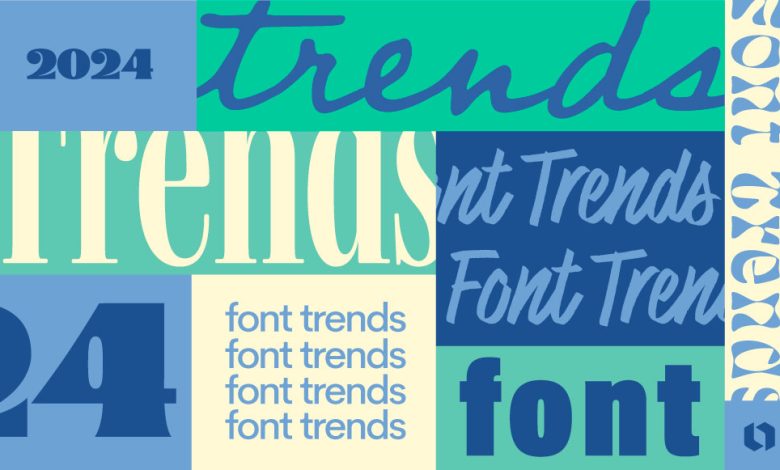
Type design has come a long way from the days of hand-cut letters and printing presses. As digital technologies continue to evolve, so too does the art of type design. Modern type foundries are creating more innovative, diverse, and functional typefaces, keeping pace with digital media’s needs while respecting the history of typography. Here are key trends currently shaping the world of type foundry design.
Variable Fonts and Responsive Design
Variable fonts have become one of the most talked-about trends in modern type design. Introduced as part of OpenType 1.8 in 2016, variable fonts allow for a single font file to contain multiple styles (such as weight, width, or slant), which can be dynamically adjusted. This innovation makes variable fonts a game-changer for responsive design, as it enables web designers to create more flexible, lightweight websites that perform better across different devices and screen sizes.
Rather than needing separate font files for bold, italic, and other variations, a variable font allows these to be seamlessly altered in real time, reducing the number of font files that need to be loaded. This trend caters to the modern need for fast-loading websites and provides an increased degree of typographic control. It’s a boon for web designers, who can now experiment with subtle changes in weight or width without worrying about file size or compatibility.
Customization and Personalization
As the demand for unique branding experiences continues to grow, there’s a noticeable shift toward customized typefaces that reflect a brand’s personality. Type foundries are increasingly working with clients to develop bespoke fonts that align with specific visual identities. This customization can range from subtle tweaks in an existing font to the creation of entirely new typefaces..
Personalization in typography isn’t just about branding; it also intersects with user experience. For example, web and app designers are exploring ways to offer readers a choice of typefaces, making websites and digital products more personalized. This trend is also evident in the development of typefaces with alternate characters or stylistic sets, allowing users to express their individuality through typography.
Multilingual and Global Fonts
With the world becoming more interconnected, multilingual typefaces have become a key trend in type design. Globalization has prompted brands and designers to seek typefaces that can support multiple languages, scripts, and alphabets. This need has led to a significant increase in the development of fonts that support languages with complex character sets, such as Arabic, Hindi, Chinese, and others.
Modern type foundries are embracing the challenge of creating multi-script fonts that maintain consistency and readability across different languages. As more brands expand globally, they are increasingly adopting multilingual fonts to ensure their message resonates across borders. Additionally, these multilingual fonts must be highly adaptable to ensure they work across both print and digital media.
Sustainability and Eco-Friendly Design
Sustainability is no longer just a buzzword in industries like fashion and architecture; it’s becoming an important consideration in type design as well. Eco-friendly type foundries are exploring ways to reduce their carbon footprint by optimizing font files and making them more efficient for digital use. This can include creating fonts that require less processing power and reducing the environmental impact of web design and app development.
Some foundries are even looking into sustainable production practices, such as the use of recycled materials for the physical production of type specimens and printed materials. Additionally, there’s an increasing interest in developing fonts that are optimized for low-energy screens and e-paper devices, contributing to an overall reduction in digital waste.
Conclusion
Trends like variable fonts, customization, retro influences, multilingual support, and sustainability are transforming the landscape, providing more flexibility and creativity for designers while responding to the needs of modern technology and global communication. So, type foundry is at the forefront of these changes, shaping the way we experience and interact with written content across multiple platforms. With typography constantly adapting to new challenges, the future of type design promises even more exciting innovations.