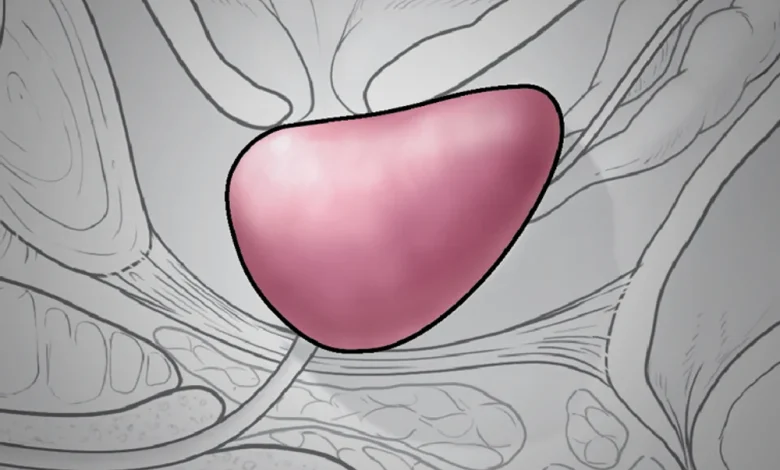
Cancer treatment has come a long way, and prostate cancer care is no exception. If you or a loved one are navigating the complexities of prostate cancer, you’ll be glad to know that modern medicine is delivering a host of innovative solutions. These treatments aim to improve survival rates while reducing the discomfort and risks traditionally associated with older methods.
Targeted Radioligand Therapy
One of the most exciting developments is targeted radioligand therapy, such as Lutetium-177 (Lu-177) treatments. This approach uses a molecule that seeks out prostate-specific membrane antigens (PSMAs) present on cancer cells.
The therapy delivers a radioactive payload directly to the tumours, minimising damage to healthy tissues. This precision makes it particularly effective for advanced or metastatic prostate cancer, where traditional treatments may not suffice.
Advanced Surgical Options
Minimally invasive procedures like robotic-assisted surgery have redefined how prostate cancer is treated. These techniques allow for greater precision during tumour removal, often preserving surrounding structures such as nerves and tissues. This not only reduces recovery times but also minimises side effects like incontinence or erectile dysfunction.
Innovative Use of TURBT in Complex Cases
While primarily used for bladder cancer, the transurethral resection of bladder tumour (TURBT) procedure has found application in certain cases of prostate cancer, especially when the cancer involves the bladder.
The Urocare turbt procedure, for instance, exemplifies how precise surgical techniques can address complex overlaps between prostate and bladder cancers. By carefully removing tumours through the urethra, this approach minimises complications and supports quicker recovery.
Immunotherapy
Immunotherapy, though still under exploration for prostate cancer, is showing promising results. These treatments boost your immune system’s ability to recognise and attack cancer cells.
Approaches like checkpoint inhibitors and cancer vaccines are paving the way for more personalised treatment options, especially for patients with advanced stages of the disease.
Focal Therapies for Localised Cancer
Focal therapy offers a middle ground between aggressive treatments and active surveillance. Techniques such as high-intensity focused ultrasound (HIFU) and cryotherapy target only the cancerous part of the prostate, preserving as much healthy tissue as possible. This approach is ideal for men with localised cancer who wish to avoid the side effects of more invasive procedures.
Role of Genetic Testing and PARP Inhibitors
Understanding the genetic makeup of your cancer can be a game-changer. Genetic testing helps identify mutations that make certain cancers more vulnerable to drugs like PARP inhibitors.
These medications are particularly effective for patients with mutations in BRCA1 and BRCA2 genes, slowing the progression of metastatic cancer.
The Power of AI in Treatment Planning
Artificial intelligence is transforming the landscape of oncology. With AI-driven tools, doctors can analyse vast datasets to tailor treatments specifically to your condition.
From predicting treatment outcomes to mapping the best surgical paths, these technologies enhance decision-making, ensuring you receive the most effective care available.
Final Remarks
The fight against prostate cancer is bolstered by these groundbreaking approaches. Whether it’s precision-focused therapies like radioligand treatments or cutting-edge surgeries, the options today are not only saving lives but also improving quality of life for countless individuals.