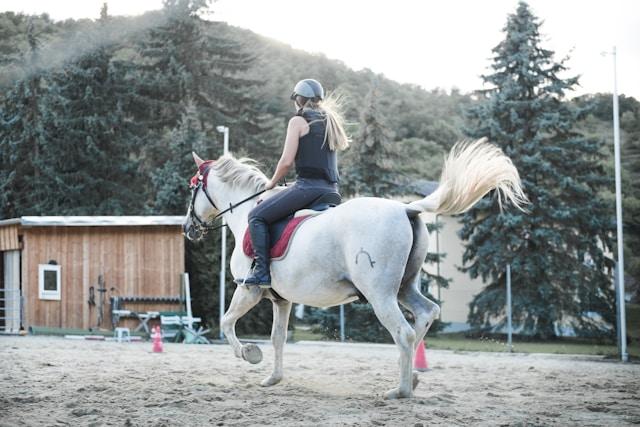
Engaging in horse riding, like any sport, involves the potential for serious injury or even fatality. Being elevated several feet off the ground means that falling off a horse can pose more danger than falling from a motorcycle. However, falls are not the sole concern; riders may also face risks from kicks, bites, and muscle strains. Here are some tips to ensure your safety while handling your horse.
Wear a Body Protector or Airbag Vest
Today, equestrians can access body protectors and individual airbag vests as part of their safety gear. Body protectors provide basic protection for the chest and back and are suitable for everyone, including small children.
Airbag vests offer enhanced protection, with some brands providing optimal coverage for the neck and spine. These airbags are designed for children who weigh at least 77 lbs (35 kg) to ensure they can safely absorb the impact.
To prevent injuries in racehorses, it’s recommended to wear body protectors underneath the air vest. The airbag activates mechanically when the rider falls, using a lanyard attached to the saddle. This lanyard, which comes with the airbag vest, ensures the vest inflates upon detachment during a fall.
Bites
Horse bites are not frequent, particularly when contrasted with riding-related injuries. However, a strong enough bite from a horse can tear the skin or even fracture bones. These bites are often from stallions and typically result from redirected aggression, fear, or discomfort, which can be minimized with effective training.
If bitten by a horse, wash the area thoroughly with soap and warm water. In cases where the skin is punctured, either from the bite itself or a previous wound, get medical help. This is because bacteria from the horse’s mouth could enter your system and lead to an infection.
Kicks
A horse’s legs possess significant strength, and a kick can be incredibly damaging, comparable to the impact of a car traveling at 20 miles per hour, as noted by Equus Magazine. Injuries from such kicks can range from minor bruises to serious injuries like broken bones or even cardiac arrest. Kicking is a horse’s defensive mechanism, typically used as a last resort.
When feeling threatened, a horse will try to back away or use ear-pinning as intimidation. If these actions fail to eliminate the threat, the horse may lift its leg in preparation but will refrain from kicking unless the perceived threat persists.
Soothe the horse to prevent a kick driven by fear. Remove it from alarming environments or employ gentle training to acclimate it to new situations. Always approach your horse calmly, as sudden movements can provoke a reflexive kick.
Falls
Falling off a horse can result in severe injuries. These can include head trauma and fractures. To prevent this, ensure your gear is properly fitted for both you and your equine partner. Adjust the stirrups to the correct length and confirm the girth is secure. Poorly fastened tack can shift easily during movement, affecting your balance. Be sure to wear protective gear such as:
- Gloves for a better grip
- Boots with a one-inch heel
- A helmet
While riding, stay vigilant for anything that might startle your horse. Spot potential threats early so you can redirect its focus effectively.
Endnote
Focusing on injury prevention is crucial to ensuring the safety and well-being of both horses and riders. Taking proactive steps and implementing essential precautions can significantly minimize the risk of injuries in equestrian sports.