
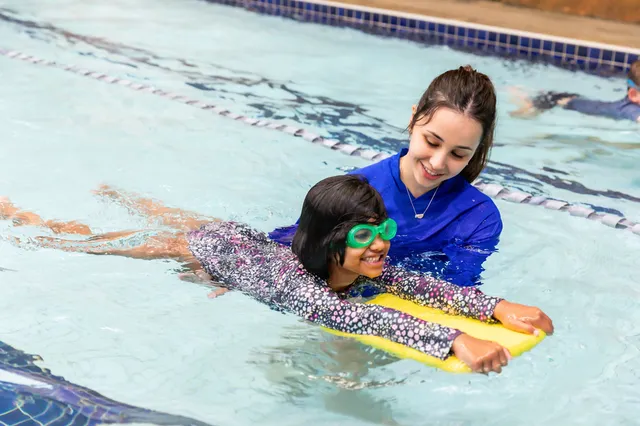
Key Takeaways
- Introducing children to water early can enhance their development.
- Safety is paramount when starting swimming lessons.
- Gentle, playful interactions with water can build confidence.
- Various methods are available to maintain a child’s interest in and enjoyment of water-based activities.
Introducing children to the water at a young age can significantly influence their physical and mental development. It supports a healthy lifestyle and helps cultivate a sense of comfort and confidence in the water. For those parents curious about how to teach 1 year old to swim, understanding the fundamentals of water confidence can be incredibly beneficial. With an emphasis on safety and enjoyment, this guide will illustrate how swimming can be transformed into a delightful learning journey for both you and your child.
Ensuring your child forms a positive association with water from the outset is crucial. By combining structured swimming lessons with playful water activities at home, parents can reinforce these beneficial experiences. Let’s delve into these strategies and discover how to cultivate water confidence in your little ones.
Introduction to Water Confidence for Young Children
Water confidence is more than just being comfortable in the water; it’s about nurturing a child’s ability to engage with water environments safely and joyfully. Starting young paves a smoother path toward becoming adept swimmers as they grow. The key lies in acquainting them with water as an element they can understand and enjoy, setting them on a trajectory for developing life-saving skills, building strength, and fostering a resilient mindset toward overcoming challenges.
The Importance of Early Exposure
Introducing babies to water at a tender age can have profound effects on reducing water-related fears and enhancing their comfort levels. According to Healthline, babies as young as six months can be gently introduced to swimming environments, helping them adjust to buoyancy and temperature changes. These early experiences are instrumental in facilitating smooth transitions into more structured swim lessons, encouraging motor skills development and critical social skills as they interact and play.
Safety Precautions Every Parent Should Know
Safety is non-negotiable when it comes to engaging young children with water activities. It begins with the constant supervision of your child during any water interaction. Ensuring the proper use of flotation devices and familiarizing yourself with the surrounding environment are vital steps to guarantee safety. Understanding statistics and trends in water safety further underscores the importance of vigilance to prevent accidents and ensure pleasant experiences in the water.
Fun Activities to Engage Your Child in the Water
Infusing water time with fun, interactive activities not only keeps your child engaged but also fosters their affection for water play. From simple splashing games to singing water-themed songs, these activities promote relaxation and enjoyment. A wealth of resources such as those found on BabyCenter can offer parents a plethora of creative ideas designed to merge playtime with learning opportunities, encouraging a child’s physical coordination and cognitive abilities.
Choosing the Right Swim Program
When looking for a swim program, there are essential features to consider, including the qualifications of instructors who should be skilled in early childhood swim education, the ratio of staff to children to ensure personalized attention, and the program’s overarching philosophy. A program that aligns with your values emphasizing safety wisely while inspiring progress, will instill confidence in your child as they embark on their swimming journey.
How to Foster a Positive Environment
Creating a friendly, supportive water environment is vital to reducing anxiety and encouraging a child’s willingness to explore. For instance, incorporating familiar toys into water activities can present water time as an exciting adventure rather than a daunting task. Ensuring the setting is safe and inviting will enable children to approach the water with curiosity and confidence.
The Role of Parents in Water Learning
Parents play a crucial role in their child’s swimming education. This involvement can take many forms, from attending swim classes to guiding informal practice sessions at home. The presence and support of parents not only aid in learning but also strengthen family bonds. Sharing these joyful experiences fosters security and encouragement, all of which play into the development of a child’s lifelong water confidence.
Encouraging Progress and Celebrating Milestones
Milestones in swimming are cause for celebration and continuous motivation. Encouraging small achievements along the way helps sustain your child’s enthusiasm and shapes a positive outlook for their swimming capabilities. Celebrating these moments together, whether through verbal praise or small, thoughtful rewards, fosters a sense of accomplishment, urging them to take further strides with confidence in their aquatic journey.


