
Key Takeaways
A clean mass air flow sensor plays a major role in maintaining accurate air intake readings, which directly supports better combustion and overall engine efficiency.
Using a mass air flow sensor cleaner helps improve fuel economy, often restoring lost mileage caused by dirt and buildup inside the sensor.
Proper airflow measurement ensures the engine maintains the right air-fuel balance, preventing issues like rough idling, poor acceleration, and unnecessary fuel waste.
Regular maintenance supports lower emissions by keeping combustion cleaner and more efficient, which helps vehicles meet environmental standards.
Consistent sensor cleaning also improves throttle response, making driving smoother and more responsive in different road conditions.
How Mass Air Flow Sensor Cleaner Improves Overall Engine Efficiency
Restoring Accurate Air Measurement for Better Combustion
The engine depends heavily on precise airflow readings to determine how much fuel to inject. When the sensor becomes dirty, it starts sending incorrect data to the engine control system. This leads to an imbalance in the air-fuel mixture, which reduces combustion efficiency and weakens overall performance. Using a mass air flow sensor cleaner removes contaminants that block accurate readings, allowing the engine to function as intended. Once restored, combustion becomes smoother, more controlled, and more efficient.
Improving Fuel Economy Through Cleaner Sensor Data
Fuel efficiency is directly affected when the sensor is not working properly. Dirty sensors often cause the engine to burn more fuel than necessary because it misreads incoming air levels. After cleaning, the system can once again calculate the correct fuel injection amount. This improvement often translates into noticeable fuel savings, especially for drivers who cover long distances or spend a lot of time in stop-and-go traffic.
Enhancing Throttle Response and Driving Smoothness
A clean sensor contributes to quicker and more accurate throttle response. When airflow data is correct, the engine reacts faster to driver input, making acceleration feel smoother and more controlled. Dirty sensors, on the other hand, can cause hesitation or sluggish movement. After proper cleaning, many drivers notice that the vehicle feels more responsive and easier to control in different driving situations.
Reducing Harmful Emissions and Supporting Cleaner Combustion
Another important benefit of maintaining a clean sensor is improved emission control. When combustion is properly balanced, the engine produces fewer harmful gases. A dirty sensor can cause either too much fuel or too much air in the mixture, both of which increase emissions. Cleaning the sensor helps restore proper combustion conditions, allowing the vehicle to operate more efficiently while reducing its environmental impact.
Extending Engine Health Through Consistent Maintenance
Long-term engine performance depends on consistent maintenance habits. Using a mass air flow sensor cleaner regularly helps prevent buildup that can strain the engine over time. When airflow readings remain accurate, other engine components also perform more efficiently. This reduces unnecessary wear and supports longer engine life, making routine cleaning a simple but valuable maintenance step.
Practical Use of Mass Air Flow Sensor Cleaner in Maintenance Routine
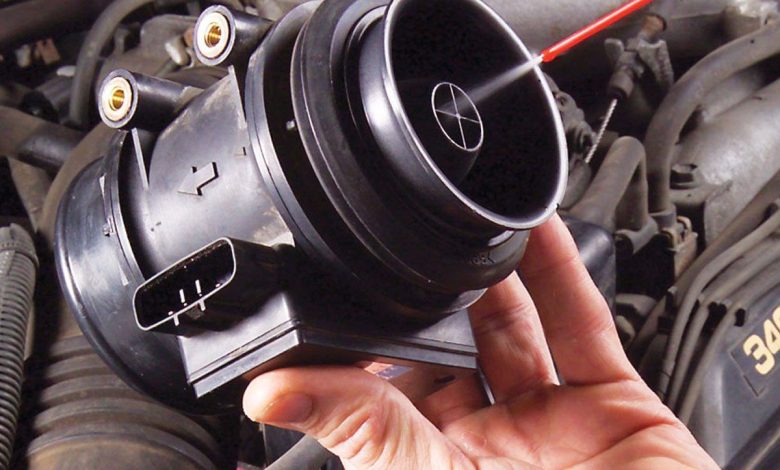
Incorporating cleaning into regular vehicle maintenance does not require complex tools or procedures. The process mainly involves safely accessing the sensor, applying the cleaner carefully, and allowing it to dry before reinstallation. What matters most is consistency and proper handling, since sensitive sensor components require gentle cleaning methods. When done correctly, this maintenance step helps preserve both performance and reliability.
Common Mistakes to Avoid During Cleaning
One of the most common mistakes is using excessive cleaner, which can damage sensitive parts instead of improving them. Another issue is skipping proper drying time, which can interfere with sensor readings after reinstallation. Some also overlook manufacturer guidelines, which are important because different vehicle models may have specific requirements. Avoiding these mistakes ensures the cleaning process delivers full benefits without causing damage.
Real-World Impact of Cleaner Sensors on Engine Performance
Many drivers report noticeable improvements after cleaning their sensors. These include smoother acceleration, better fuel economy, and more stable engine behavior during driving. In some cases, even small changes in performance become immediately noticeable, especially in vehicles that previously had reduced efficiency. Over time, regular cleaning helps maintain these improvements and prevents gradual performance decline.
FAQ
How often should a mass air flow sensor be cleaned
Most vehicles benefit from cleaning every 15,000 to 30,000 miles, although dusty environments may require more frequent maintenance to maintain proper performance.
Can a mass air flow sensor cleaner damage the engine
When used correctly, it is safe. Problems usually occur only when too much cleaner is applied or when instructions are not followed properly.
What are the signs of a dirty mass air flow sensor
Common signs include rough idling, poor acceleration, reduced fuel efficiency, and inconsistent engine performance.
Does cleaning the sensor immediately improve performance
In many cases, yes. Drivers often notice smoother acceleration and better throttle response shortly after cleaning.
Can other parts affect sensor performance
Yes, components like the air filter and intake system can also impact airflow accuracy and overall sensor effectiveness.
Is professional cleaning required
Not always. Many vehicle owners can safely perform cleaning at home, but professional service is recommended if there is uncertainty.
Will regular cleaning extend engine life
Yes, maintaining accurate airflow readings helps the engine operate more efficiently, reducing long-term strain and supporting better durability.


