
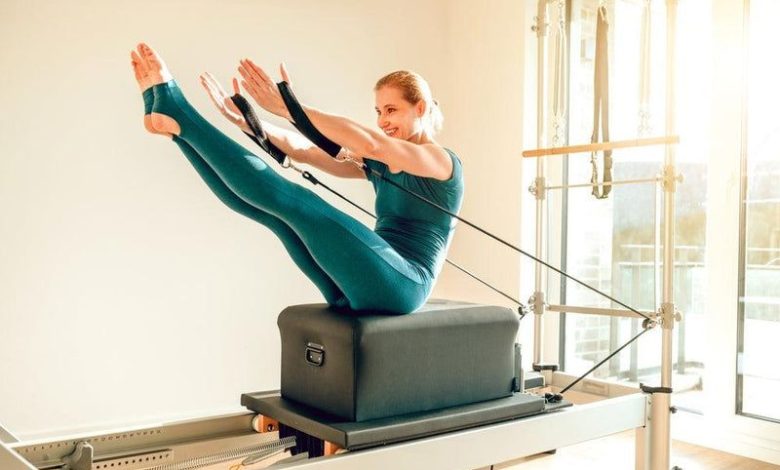
A pilates reformer provides a practical way to combine resistance training, mobility, balance and movement control in one piece of equipment. Its adjustable spring system allows exercises to be made supportive, challenging or somewhere in between, depending on the user’s ability and training objective. The machine differs from standard gym equipment because it is not restricted to a single movement. A pilates reformer can be used while lying, sitting, kneeling or standing, giving users access to exercises for the legs, arms, shoulders, back and core. This flexibility has helped reformer-based exercise become popular in professional studios and home fitness spaces. People may use the equipment to improve general strength, support athletic training, develop better coordination or add low-impact variety to an existing routine. Not every machine offers the same experience. Frame quality, spring selection, carriage travel, adjustability, dimensions and accessories can all affect how comfortable and useful the equipment will be. Xpeed Exhale Pilates Reformers is a complete solution.
Understanding How A Pilates Reformer Operates
The central part of a pilates reformer is a padded carriage that moves along rails within a rectangular frame. The carriage is connected to springs that create resistance when it travels away from the front platform. Users may move the carriage by pressing against a footbar, pulling ropes or placing their feet inside straps. The selected spring combination determines how much resistance or support the machine provides. Several additional components help the user maintain position. Shoulder rests prevent the body from sliding along the carriage, while a headrest supports the head during appropriate lying exercises. Ropes, handles and loops connect the user to the carriage resistance. Some machines also include adjustable carriage stoppers, allowing the starting position to be changed for users of different heights. Elevated legs may raise the entire pilates reformer to a more accessible working height. The machine can create both stability and instability. The carriage supports the body during some movements, but its ability to slide also requires the user to maintain control.
Reasons To Include Reformer Exercise In A Fitness Routine
A pilates reformer can support a broad range of training outcomes. The exact benefits depend on exercise selection, resistance, technique and consistency. The equipment is especially useful for people who prefer controlled movements over fast or high-impact workouts.
Progressive Resistance Training
Springs allow resistance to be altered without loading weight plates onto the machine. Users can attach different spring combinations to suit individual exercises. Greater spring tension may make pushing exercises more difficult because more force is required to move the carriage. During other movements, additional springs may provide support and make carriage control easier. This distinction is important because lighter resistance does not always mean an easier exercise. A lightly loaded carriage can move more freely, demanding greater stability and precision. A pilates reformer can train muscular endurance through longer sequences or support strength development through slower movements and stronger resistance combinations.
Balanced Full-Body workouts
many gym machines isolate one muscle group at a time. reformer movements commonly require several parts of the body to work together. an exercise focused on the legs may also require the pelvis to remain level and the abdominal muscles to stabilise the trunk. an arm exercise performed while kneeling may challenge the shoulders, back, hips and core simultaneously. this integrated approach can help users practise coordinated movement rather than treating every body part as a separate system. the pilates reformer can also be used for one-sided exercises. training each side independently may reveal differences in strength, balance or control.
Posture And Alignment Awareness
Reformer exercise often places attention on body positioning. Users may be encouraged to maintain a neutral pelvis, organise the shoulders or distribute pressure evenly through the feet. The machine provides immediate feedback when alignment changes. The carriage may shake, rotate slightly or move unevenly when pressure is not balanced. This does not mean every person must maintain one rigid position throughout every exercise. Movement requirements vary, but the user should understand the intended position and be able to control transitions.
Mobility With Muscular Support
A pilates reformer can assist movement through the use of straps and springs. This support may allow users to explore a comfortable range of motion while maintaining muscular engagement. For example, feet-in-straps exercises can move the hips through controlled arcs while the user stabilises the pelvis. Upper-body strap exercises can combine shoulder mobility with resistance. This combination can be more practical than separating flexibility and strength into completely different sessions.
Exercise Without Repeated Impact
Most reformer movements do not involve repeatedly striking the ground. The carriage supports the body during many exercises, while the spring system creates resistance. This may make a pilates reformer attractive to users who want a demanding workout without extensive running or jumping. Low-impact exercise can still produce muscular fatigue and cardiovascular effort. Jumpboard sessions, continuous sequences and challenging spring settings can substantially increase intensity.
Features That Affect Machine Quality
A pilates reformer should be evaluated according to how it performs, not simply how it looks in photographs. A stylish finish cannot compensate for an unstable frame or inconsistent carriage. The most appropriate machine should match the user’s height, available space, experience and expected training frequency. A properly selected pilates reformer should provide dependable resistance, smooth carriage travel and enough adjustment for comfortable positioning.
Stable Frame Design
The frame must remain secure while the user pushes, pulls, kneels and stands on the machine. Movement in the frame can make exercises feel unpredictable and may reduce confidence. Manufacturers commonly use timber, aluminium or steel. Each material can be suitable when supported by effective engineering and solid connection points. Timber frames may complement residential interiors and traditional studios. Aluminium designs are often associated with commercial equipment, while steel can provide a durable structure for home machines. Overall weight can influence stability. A heavier pilates reformer may feel more grounded but can be difficult to relocate. A lightweight machine may be convenient to move but should still remain steady during exercise.
Carriage Length And Width
The carriage must comfortably support the user in lying, seated and kneeling positions. Width affects how much space is available around the torso and hips, while length influences comfort for taller users. Carriage travel is also important. A long frame does not automatically provide a long movement range if the carriage is restricted by its stopper positions. Buyers should review the usable travel distance and recommended user height. Product photographs may not accurately communicate scale. Padding should be supportive and resistant to compression. Excessively soft padding may feel comfortable initially but can make kneeling or balance exercises less stable.
Wheel And Rail Performance
The wheels allow the carriage to move along the frame. Their quality affects noise, smoothness and the consistency of each exercise. A pilates reformer should not catch or hesitate at particular points along the track. Sideways movement or rattling may indicate poor alignment or loose components. Quiet operation can be particularly valuable in apartments, home offices or shared training environments. The carriage does not need to be completely silent, but harsh mechanical sounds should not dominate the session. Tracks should be kept clean because dust, hair and small debris can interfere with wheel movement.
Spring Range And Replacement Options
Springs may be supplied in several resistance levels, commonly identified by colour. Buyers should check the manufacturer’s specifications because colour systems differ between brands. A balanced spring package allows users to create small resistance changes. This is useful when moving between lower-body, upper-body and core exercises. The attachment system should be easy to inspect. Springs should connect securely to the carriage and fixed anchor point. Replacement availability is an important buying consideration. A pilates reformer may remain structurally sound for years, but springs naturally wear through repeated extension and contraction.
Footbar Adjustment
The footbar supports exercises involving the feet, hands and forearms. Its position can influence joint angles, carriage range and comfort. Multiple settings make the machine more adaptable. A taller user may need a different starting position from a shorter user, while planking exercises may require a different angle from footwork. The footbar should lock securely and should not release when force is applied. Users should check the mechanism whenever the position is changed. Some machines allow one-handed adjustment, which may make transitions easier during a structured workout.
Rope Adjustment
Ropes connect the handles or loops to the carriage resistance. They should remain equal in length so both sides of the body receive consistent resistance. A rapid adjustment system can save time, particularly when several users share the machine. Traditional rope systems may still perform well but can require more manual setup. Handles and foot loops should feel secure without creating unnecessary pressure. Soft lining may improve comfort during longer sessions.
Choosing A Pilates Reformer For A Home
Home buyers must consider both exercise performance and everyday practicality. A machine may offer excellent features but still be unsuitable if it overwhelms the available room. The intended training area should be selected before the pilates reformer is ordered.
Room Measurements
The machine’s listed measurements are only the starting point. Users need room to stand beside the frame, extend their arms and operate the straps. Side-facing movements may require significantly more width than the machine itself. Jumpboard exercises and standing lunges can also require additional clearance. Ceiling height is rarely a concern for standard exercises, but it should be considered if the machine has elevated legs or will be used for upright movements. Buyers should mark the proposed dimensions on the floor to understand how much space the equipment will occupy.
Delivery Access
A pilates reformer may arrive in one large package or several heavy boxes. The delivery path should be checked before purchase. Narrow doors, staircases and sharp hallway corners can create difficulties. Package dimensions may be more important than the measurements of the assembled machine. Some equipment requires professional assembly, while other models can be assembled with common household tools. Buyers should confirm what is included in the delivery service.
Portability
Transport wheels can help users move the machine across a room. However, a pilates reformer may still require considerable strength to lift and position. Folding models can reduce the permanent footprint. The folding process should be simple enough to repeat regularly without creating frustration. A portable machine should still provide a secure frame and dependable locking mechanisms. Convenience should not come at the expense of stability.
Storage Position
Some machines can be stored vertically against a wall. This is useful when a room has multiple purposes. Only a pilates reformer specifically approved for upright storage should be placed in that position. The carriage may need to be secured before the machine is lifted. Owners should also ensure the stored equipment cannot be knocked over by children, pets or other household members.
Accessories That Add Training Options
Accessories can turn a standard machine into a more adaptable exercise system. Buyers should check whether important additions are included or sold separately.
Reformer Box
A box can be placed lengthways or across the carriage. It provides a raised surface for seated, lying and side-facing movements. The accessory can support pulling exercises, abdominal work and movements that require the torso to extend beyond the carriage. A box should be stable, properly padded and sized for the pilates reformer on which it will be used.
Jumpboard Attachment
The jumpboard creates a broad vertical platform near the footbar. Users can press through the feet or perform repeated jumping actions while lying horizontally. This arrangement reduces landing impact because the body remains supported by the carriage. Jumpboard training can add variety and increase workout intensity. Users should maintain control and avoid allowing the carriage to strike the stopper.
Standing Platform Extender
A platform extender enlarges the fixed area near the front of the machine. It can improve foot placement during standing exercises. This accessory may be helpful for side splits, lunges and movements requiring one foot on the carriage and the other on a stationary surface. Compatibility should be confirmed because platform shapes and frame dimensions differ.
Exercise Ring, Ball And Pole
Smaller props can introduce new coordination demands. A ring may provide resistance between the hands or legs, while a ball can provide positioning feedback. A pole can help with arm alignment or balance during standing exercises. These items are optional. Good reformer training does not depend on using numerous props at once.
Personal Machines And Studio Machines
A home pilates reformer is generally built for one person or a small household. It may prioritise compact storage, manageable weight and a lower purchase price. Studio machines must handle repeated adjustments and many sessions each day. They are often heavier and may have elevated frames that make it easier for instructors to assist clients. Commercial upholstery, wheels, springs and ropes may be designed for higher usage. Replacement components and servicing support are especially important for businesses. A serious home user may still choose studio-level equipment. The decision should reflect expected use rather than the label attached to the product. Someone who trains once or twice a week may not need the same construction as a studio operating several classes each day.
Learning To Use The Machine Correctly
A pilates reformer can appear simple, but resistance choices and body position affect every exercise. Beginners should learn the basic controls before attempting complex sequences. Early sessions can focus on footwork, simple arm exercises, bridging and controlled feet-in-straps movements. An instructor can explain how spring resistance changes the exercise. They can also help the user understand neutral positioning, breathing and safe carriage control. Online instruction can be useful for home training, especially when classes are organised by experience level. Users should avoid following advanced demonstrations before developing the required strength and coordination. Pain, dizziness or unusual discomfort should not be ignored. The exercise should be stopped and reviewed when something feels wrong.
Pilates Reformer Maintenance
Consistent maintenance can extend the life of the equipment and reduce the risk of component failure. Contact surfaces should be cleaned after use, especially when the machine is shared. Cleaning products must be suitable for the upholstery and frame finish. Springs should be inspected for gaps, distortion, rust or changes in resistance. A damaged spring should be removed from use. Ropes and loops should be checked for fraying. Clips must open and close correctly, while footbar locks should engage securely. The pilates reformer should also be checked for loose fasteners. Repeated carriage movement can gradually affect bolts and connection points. Owners should follow the maintenance schedule provided by the manufacturer rather than relying on visual inspection alone.
Creating A Sustainable Reformer Routine
Consistency is more valuable than completing one extremely difficult session. A realistic schedule helps users build familiarity with the machine and improve technique. Short sessions can be effective when they are completed regularly. A beginner may start with twenty to thirty minutes and gradually add new exercises. The pilates reformer should be placed where it is easy to access. Equipment hidden in storage is less likely to become part of a routine. Users can progress by improving precision, increasing carriage control or moving through a greater comfortable range. Stronger resistance is only one form of progression. A varied program may include leg strength, upper-body work, mobility, balance and core-focused sessions throughout the week.
Frequently Asked Questions
What does a pilates reformer consist of? It generally includes a sliding carriage, resistance springs, rails, a footbar, shoulder rests, ropes, handles and foot loops.
Is a pilates reformer only for experienced users? No, beginners can use the machine when exercises, spring settings and movement ranges are selected appropriately.
Can reformer training improve flexibility? It can support mobility and flexibility by allowing users to move through controlled ranges while maintaining muscular support.
Does a pilates reformer provide cardio exercise? Continuous sequences and jumpboard workouts may increase the heart rate, although the machine is primarily used for controlled resistance and movement training.
How do I choose the correct spring resistance? The correct setting depends on the exercise, experience level and required amount of support, so beginners may benefit from instructor guidance.
Should a home machine stay assembled? Permanent setup can make regular use easier, but folding or portable machines may be more suitable where space is limited.
Are reformer accessories interchangeable between brands? Not always, because boxes, jumpboards and platform extenders may have different dimensions and attachment systems.
Can a pilates reformer scratch the floor? It may mark delicate surfaces if moved frequently, so protective flooring or suitable equipment mats may be helpful.
Why does the carriage shake during exercise? Shaking may result from uneven pressure, fatigue, poor control, low spring resistance or a mechanical issue with the machine.
Can children use a pilates reformer? Children should only use the equipment with appropriate professional or adult supervision and exercises suited to their size and ability.
Is a wider carriage more comfortable? A wider carriage may provide additional room, but the best dimensions depend on the user and the types of exercises being performed.
How often should the springs be inspected? They should be checked regularly and according to the manufacturer’s schedule, particularly when the machine is used frequently.
Can the machine help with posture? Reformer exercises can improve awareness of alignment and muscular control, although posture is influenced by many factors beyond one type of exercise.
What is the most important feature to compare? No single feature determines quality, but frame stability, carriage smoothness, resistance range and user fit should receive particular attention.


