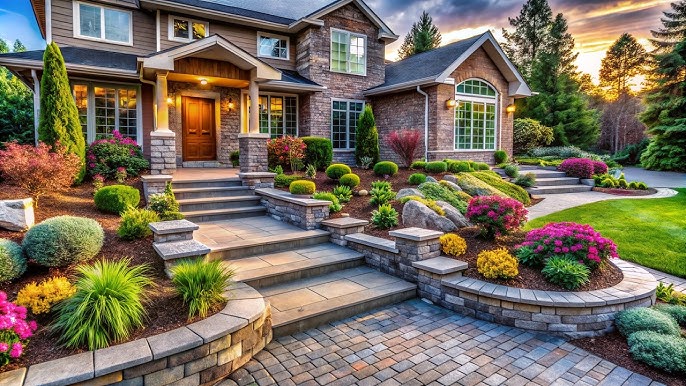
As you gaze upon your outdoor space, do you envision a stunning transformation that will elevate your property’s curb appeal? Look no further than the latest hardscaping innovations. These cutting-edge trends are revolutionizing the way homeowners approach outdoor design, blending functionality with aesthetic appeal. From sustainable materials to smart technology integration, the world of hardscaping is evolving rapidly. In this article, you’ll discover the top trends that concrete contractors in Columbia, TN say are reshaping outdoor spaces across the country. Whether you’re planning a complete overhaul or seeking subtle enhancements, these innovative hardscaping ideas will inspire you to create an outdoor oasis that reflects your personal style and boosts your home’s value.
Understanding Hardscaping: The Backbone of Outdoor Design
Hardscaping forms the foundation of any well-designed outdoor space, providing structure, functionality, and aesthetic appeal. This essential element of landscape architecture encompasses all the non-living features in your yard, from patios and walkways to retaining walls and water features.
The Elements of Hardscaping
Hardscaping includes a wide array of elements that can transform your outdoor area:
- Patios and decks
- Driveways and walkways
- Retaining walls and fences
- Outdoor kitchens and fire pits
- Water features and fountains
- Pergolas and gazebos
Each of these components plays a crucial role in creating a cohesive and inviting outdoor environment.
Balancing Form and Function
Effective hardscaping strikes a delicate balance between form and function. While aesthetics are important, durability and practicality should not be overlooked. For instance, a beautifully designed patio must also withstand weather conditions and frequent use. Similarly, a retaining wall should not only complement your landscape but also effectively manage soil erosion and water drainage.
The Impact on Property Value
Well-executed hardscaping can significantly boost your property’s curb appeal and value. It extends your living space outdoors, creating additional areas for relaxation and entertainment. Moreover, thoughtful hardscaping can solve landscaping challenges, such as uneven terrain or poor drainage, transforming problem areas into attractive features.
By understanding the principles of hardscaping, you can make informed decisions when planning your outdoor renovations. This knowledge will help you create a harmonious blend of natural and man-made elements, resulting in a stunning and functional outdoor space that enhances your home’s overall appeal.
Incorporating these innovative hardscaping techniques can truly transform any outdoor space into a stunning oasis. For those looking to bring these ideas to life, collaborating with a skilled professional is essential. A General contractor in Yucaipa can provide the expertise needed to seamlessly integrate cutting-edge designs with practical functionality. By leveraging local knowledge and experience, they ensure that each project not only meets aesthetic goals but also withstands the test of time. Whether it’s creating a serene garden path or a robust patio area, the right contractor can make all the difference in achieving a harmonious blend of nature and architecture.
Cutting-Edge Hardscaping Trends Transforming Outdoor Spaces
In recent years, hardscaping has evolved from simple concrete patios to sophisticated outdoor living spaces. Homeowners are now embracing innovative materials and designs to create stunning, functional exteriors that seamlessly blend with nature. Let’s explore some of the cutting-edge trends that are revolutionizing outdoor spaces.
Sustainable Materials and Eco-Friendly Designs
Sustainability is at the forefront of modern hardscaping. Permeable pavers, which allow water to seep through and replenish groundwater, are gaining popularity. These eco-friendly options not only reduce runoff but also prevent erosion. Recycled materials, such as crushed glass and reclaimed wood, are being incorporated into pathways and retaining walls, adding unique textures and colors while minimizing environmental impact.
Smart Technology Integration
The rise of smart home technology has extended to outdoor spaces. Automated lighting systems, weather-responsive irrigation, and app-controlled fire features are becoming standard in high-end hardscaping projects. These innovations not only enhance convenience but also improve energy efficiency and water conservation.
Mixed Material Designs
Gone are the days of monotonous concrete slabs. Today’s hardscaping trends favor a mix of materials to create visually interesting and textured outdoor spaces. Combining natural stone with sleek metals, or blending wood with glass, results in striking contrasts that add depth and character to patios, walkways, and retaining walls.
Vertical Hardscaping Elements
As urban spaces become more compact, vertical hardscaping is gaining traction. Living walls, water features that cascade down stone facades, and tiered gardens are not just visually appealing but also maximize limited outdoor areas. These vertical elements create a sense of privacy and bring a touch of nature to even the most confined spaces.
By incorporating these cutting-edge trends, homeowners can transform their outdoor areas into stunning, functional, and sustainable spaces that truly stand out in the neighborhood.
Choosing the Right Hardscaping Materials for Your Home
Selecting the perfect hardscaping materials for your outdoor space is crucial for creating a stunning and durable landscape. The right choices can dramatically enhance your home’s curb appeal while ensuring long-lasting beauty and functionality. Let’s explore some key considerations to help you make informed decisions.
Durability and Climate Compatibility
When choosing hardscaping materials, it’s essential to consider your local climate and weather patterns. Opt for materials that can withstand the elements in your area. For instance, in regions with freeze-thaw cycles, materials like concrete pavers or natural stone with low water absorption rates are ideal. In hot, sunny climates, light-colored materials can help reflect heat and keep your outdoor spaces cooler.
Aesthetic Appeal and Home Harmony
Your hardscaping should complement your home’s architectural style and existing landscaping. Consider the color, texture, and pattern of materials to create a cohesive look. For a modern home, sleek concrete or large-format porcelain tiles might be appropriate. Traditional homes often pair well with brick or natural stone. Remember that mixing materials can add visual interest and depth to your design.
Maintenance Requirements
Different materials have varying maintenance needs. While some may require regular sealing or cleaning, others are virtually maintenance-free. Natural stone, for example, can be incredibly durable but may need occasional sealing. Concrete pavers are generally low-maintenance but might need periodic cleaning to prevent staining. Consider your lifestyle and how much time you’re willing to dedicate to upkeep when selecting materials.
Budget Considerations
Hardscaping materials come in a wide range of price points. While natural stone can be more expensive, it often offers unparalleled beauty and longevity. Concrete products, on the other hand, can provide a cost-effective alternative with a variety of styles and colors. Remember to factor in installation costs and long-term durability when budgeting for your project.
By carefully considering these factors, you can choose hardscaping materials that not only look fantastic but also stand the test of time, enhancing your outdoor living space for years to come.
Integrating Hardscaping and Landscaping for a Cohesive Look
Blending Hard and Soft Elements
Creating a harmonious outdoor space requires a delicate balance between hardscaping and landscaping elements. By thoughtfully integrating these components, you can achieve a cohesive look that enhances your property’s overall aesthetic appeal. Start by considering the existing architecture of your home and the natural landscape surrounding it. Use complementary materials and colors in your hardscaping to create a seamless transition between your home’s exterior and the outdoor living areas.
Layering Textures and Materials
One effective way to integrate hardscaping and landscaping is through the strategic layering of textures and materials. Combine smooth, polished surfaces like concrete or tile with rough, natural textures such as stone or wood. Incorporate plants and greenery to soften hard edges and create visual interest. For example, install a sleek paver patio surrounded by lush garden beds or use climbing vines on pergolas to blend structures with nature.
Creating Functional Zones
Design your outdoor space with distinct functional zones that incorporate both hardscaping and landscaping elements. Use hardscaping features like retaining walls or raised beds to define different areas while integrating plants and greenery within these spaces. This approach not only enhances the visual appeal but also improves the functionality of your outdoor living areas.
Utilizing Transitional Elements
Incorporate transitional elements that bridge the gap between hardscaping and landscaping. Water features, such as fountains or streams, can serve as natural connectors between hard surfaces and planted areas. Similarly, strategically placed lighting can highlight both architectural elements and landscape features, creating a unified ambiance throughout your outdoor space.
By carefully integrating hardscaping and landscaping elements, you can transform your outdoor area into a cohesive, functional, and visually stunning extension of your home. This approach not only enhances your property’s curb appeal but also creates a more enjoyable and harmonious living environment for you and your family.
Conclusion
As you embark on your hardscaping journey with concrete contractors in Columbia, TN, remember that these innovative trends offer more than just aesthetic appeal. They represent a fusion of form and function, elevating your outdoor living experience while adding tangible value to your property. By incorporating sustainable materials, smart technology, and versatile designs, you’re not only enhancing your home’s curb appeal but also creating a more eco-friendly and efficient outdoor space. Whether you opt for sleek modern elements or timeless natural materials, the key is to choose solutions that resonate with your personal style and meet your practical needs. With these cutting-edge hardscaping innovations at your disposal, you’re well-equipped to transform your outdoor area into a stunning and functional extension of your home.