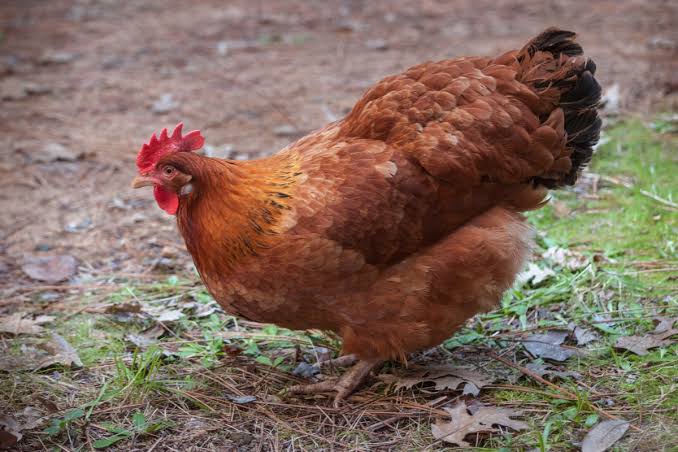
Walk through any feed store during chick season and you will hear the same breeds mentioned over and over. Rhode Island Reds. Australorps. Orpingtons. Maybe some Wyandottes if the crowd is feeling adventurous. Meanwhile, one of the most practical dual-purpose birds available today sits quietly in the corner of the hatchery catalog, unknown to most backyard keepers.
Aquila chickens deserve far more attention than they get. Bred from some of the most proven homestead bloodlines in existence, this jet-black layer produces impressive numbers of large brown eggs while growing fast enough to be a legitimate meat bird. It is hard to find, hard to fault, and easy to keep. If you have never heard of the breed, you are not alone, and that is exactly why it is worth a closer look.
Where the Aquila Came From
The Aquila was developed by Henry Saglio, a breeder whose name carries real weight in poultry circles. Saglio spent decades developing birds for small farms and pastured poultry operations, and the Aquila shares its lineage with his other well-known creation, the Sagitta.
The recipe behind the breed reads like a greatest hits list of homestead chickens. Saglio started with Rhode Island Reds, crossed in Black Australorps, and added a touch of White Plymouth Rock. If you know anything about those three breeds, you can already guess what he was after. The Rhode Island Red brings egg production and foraging ability. The Australorp contributes record-setting laying genetics, calm temperament, and cold hardiness. The Plymouth Rock rounds things out with body size and a steady disposition.
The result is a bird that inherits the strengths of all three parent breeds without the extremes of any single one. That is the whole philosophy behind the Aquila. It is not a specialist. It is a generalist, built for the farm that needs a flock to do a bit of everything well.
What the Aquila Looks Like
The Aquila is a striking bird. Most of the plumage is an iridescent black that flashes green and purple in the sunlight, with a small amount of red tinting scattered through the feathers. In a mixed flock, the Aquila stands out immediately. People who keep them often say the coloring alone is what gets visitors asking questions.
Beyond the color, the Aquila is a medium to large bird with the blocky, well-muscled body you would expect from its Plymouth Rock and Australorp background. It carries itself calmly and moves at a relaxed pace, which tells you a lot about its temperament before you ever pick one up.
Egg Production: The Numbers That Matter
Here is where the Aquila earns its keep. A healthy Aquila hen lays roughly 250 to 280 eggs per year, and those eggs are not small. Expect large to extra-large, light brown eggs, the kind that fill a carton fast.
For context, that production puts the Aquila in the same conversation as its famous parent breeds. The Black Australorp once held the world record for laying, and Rhode Island Reds have been the default homestead layer in America for a century. The Aquila inherits that machinery. What it gives up in record-chasing output, it makes up for with a heavier body and better meat potential than a dedicated layer breed.
One thing to keep in mind with any dual-purpose breed is that egg production is seasonal. Aquila hens lay strongly through spring and summer, taper in fall, and slow down or pause during the darkest weeks of winter unless you provide supplemental light. That is normal and healthy, not a sign of a problem.
Meat Potential: Faster Than You Might Expect
This is the part that surprises people. Dual-purpose birds are often dismissed as mediocre meat producers, too slow to be worth the feed. The Aquila bucks that trend.
Cockerels reach about 5 pounds in roughly 12 weeks. Hens hit 5 to 5.5 pounds by 16 weeks. Those are genuinely competitive numbers for a bird that also lays 250-plus eggs a year. A fast-growing broiler will still beat it to the processing table, but a broiler will never give you a single egg.
For the homesteader, this opens up a practical system. Order a straight run of chicks in spring. Raise the pullets as your laying flock and grow out the cockerels for the freezer. One order of chicks, two harvests. That is the classic homestead model, and the Aquila is built for it.
Temperament and Hardiness
Ask anyone who keeps Aquilas and the word you hear most is calm. These are docile, steady birds that do not panic when you walk into the run, tolerate handling reasonably well, and generally get along in a mixed flock. That makes them a good choice for families, first-time keepers, and flocks that include children doing the daily chores.
They are not lap chickens, and no productive breed really is. But they are a long way from flighty, and that matters when you are moving birds, checking for illness, or integrating new flock members.
Hardiness is the other selling point. The Australorp and Plymouth Rock influence gives the Aquila a dense feather coat and a body type that handles cold winters well. The small comb and wattles are less prone to frostbite than the tall single combs on some Mediterranean breeds. They handle heat reasonably too, provided they have shade and water. For most climates in the United States, the Aquila is a low-drama bird.
Caring for Your Aquila Flock
The care routine is refreshingly ordinary, which is part of the appeal.
Brooding. Aquila chicks start like any other chick. A brooder at 90 to 95 degrees for the first week, dropping about five degrees per week until they are feathered out. Chick starter feed, clean water, and dry bedding. Nothing exotic required.
Feeding. Grower feed through the growing phase, then layer feed once the pullets approach point of lay. If you are growing out cockerels for meat alongside your layers, many keepers simply keep the whole flock on grower or flock raiser and offer oyster shell on the side for the hens.
Housing. Standard space guidelines apply. About 4 square feet per bird inside the coop if they have access to a run, and 8 to 10 square feet of outdoor space each. The Aquila is not a strong flier and handles confinement well, but like its Australorp ancestors, it truly shines when allowed to forage.
Foraging. Give them range and they will earn it. Aquilas are active foragers that will trim a significant portion of their diet from grass, seeds, and insects during the growing season. That means lower feed bills and better, darker yolks.
A Few Honest Considerations
No breed is perfect, and a fair article should mention the downsides. The biggest one is availability. Because the Aquila is a niche breed tied to a specific breeding program, you will not find it at every hatchery. You may need to order from a specialist source and plan your ship dates in advance, since popular weeks fill early.
Second, because it is a crossbred-style bird rather than an old standardized heritage breed, it does not have an APA standard and cannot be shown at typical poultry exhibitions. If your goal is showing birds, look elsewhere. If your goal is eggs and meat, that detail is irrelevant.
Finally, remember that broodiness has largely been bred out of high-production birds, Aquilas included. If you want to hatch your own replacements, you may need to rely on an incubator or a broody hen of another breed.
Final Thoughts
The best breed for your homestead is the one that matches what you actually need, and most homesteads need the same thing. A bird that lays a lot of big brown eggs, grows into a respectable roaster, stays calm, survives the winter, and asks for nothing fancy in return. The Aquila checks every one of those boxes, and it does it while looking better than half the birds in the catalog.
It may never have the name recognition of a Rhode Island Red, but name recognition does not fill an egg basket. If you are planning a flock that has to pull double duty, this overlooked black bird belongs on your short list.