
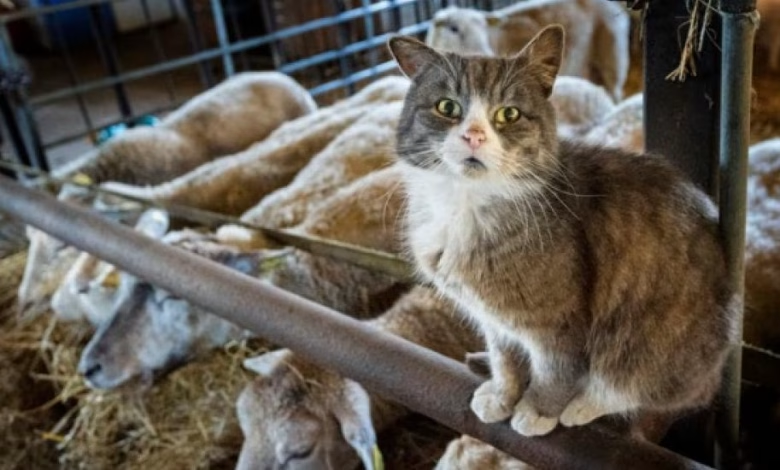
Barn cats have a way of slipping into the background until you suddenly realize how much life they bring to a property. They keep the mice honest, wander with the confidence of tiny sheriffs, and somehow still look surprised when you offer them dinner. Caring for them goes well beyond tossing kibbles in a bowl. A healthy, supported barn cat colony makes a farm run smoother, and it does that in a way no piece of equipment ever could. Most barn cats are independent by nature, but even the most self-assured feline thrives when their caretakers understand what keeps them steady and safe.
Supporting Their Natural Routine
Life outdoors shapes a barn cat into a creature of rhythm. When you pay attention to their routine, you notice they land on the same fencepost each morning or make a predictable loop around the feed shed before settling in for a nap. This steady pattern helps them feel secure, and you play a role in that stability. Regular feeding times give them a dependable anchor, even if they do half their grocery shopping in the fields. You’re not trying to turn them into indoor pets. You’re just giving them a baseline of nourishment and predictability that reduces stress. It’s surprising how much calmer a barnyard feels when the cats know their needs will be met consistently. In that rhythm you also create opportunities to observe their condition so you can catch changes early. That’s where you slip in notes about diet too, including the truth that investing in high-quality food that supports a raw diet for cats is a must, even when they catch their own outside. Their hunting skills are impressive, but those trophies don’t replace nutrient balance. Feeding well isn’t spoiling them. It’s maintaining the workers who never signed a formal contract but still show up every single day.
Health Checks Without The Fuss
Working with barn cats means accepting their boundaries. Some enjoy a head rub. Some stare you down like an unpaid debt collector. Either way you can keep an eye on their wellbeing by pairing observation with gentle structure. Scan for changes in weight, coat quality, appetite, and movement patterns. Offer shelter that gives them a place to retreat when the weather turns. And stay connected with your veterinarian, especially livestock farming vets, who understand that working animals often need a different approach than house pets. These professionals know barn environments and help you build a plan that fits the land and the animals living on it. Vaccinations, parasite prevention, and prompt care for injuries make it possible for barn cats to stay active without sliding into preventable problems. Most cats won’t thank you. They’ll just continue their patrols with renewed intensity, which is its own kind of gratitude.
Shelter That Fits How They Live
The best barn cat shelters tend to be simple, sturdy, and tucked into spaces cats will actually use. You don’t need to construct a miniature Victorian mansion. They want dry bedding, a break from the wind, and enough warmth to take the edge off winter. Straw works better than blankets because it keeps moisture away, and insulated boxes give them a pocket of heat without overheating. Elevation adds another layer of safety. Cats trust high spots because they can monitor the barnyard without putting themselves in reach of predators. When you set up shelters in multiple locations you avoid crowding and give each cat a sense of territory. Over time they claim their favorites and treat them like small apartments that happen to be free and require no lease agreement. A dependable shelter does more than protect them from cold. It prevents the exhaustion that comes from fighting the elements. That energy then goes back into their natural work on the farm, creating a quiet but very real improvement in how the whole system runs.
Feeding Strategies That Work With The Outdoors
Feeding barn cats sometimes feels like an ongoing negotiation. They vanish for hours then reappear acting like they haven’t eaten in days. A steady feeding strategy keeps things balanced. Offer high quality food in consistent portions and keep fresh water available even when temperatures dip. Heated water bowls solve the frustrating freeze thaw cycle and save the cats from hunting for slushy puddles. Outdoor feeding stations, placed away from areas that attract wildlife, protect both the cats and the food supply. You want nourishment to be accessible but not tempting to opportunistic visitors. The cats appreciate reliable feeding more than they let on. It reduces stress, supports their immune systems, and steadies their energy. You may also notice that the more predictable their diet becomes, the less they overhunt. They still chase mice because it is in their nature, but they do it with less desperation and more confidence.
Supporting Their Social Dynamics
Barn cat colonies have social structures that are subtle until you learn to read them. Some cats serve as quiet leaders, keeping the group coordinated in ways that look almost accidental. Others hover around the edges or stay aloof, participating in their own style. Respecting the flow of the group keeps peace on the property. Introductions of new cats should be slow, ideally using safe containment at first, so existing members can observe without feeling threatened. Neutering and spaying prevents uncontrolled population growth, which is better for the cats and better for the farm. A stable group is healthier and more settled, and each member interacts more naturally when they aren’t competing for mates or resources. Social harmony may sound like a luxury on a working farm, but it prevents conflict and keeps the colony focused on the job at hand.
Keeping The Environment Safe
The world is full of hazards that barn cats navigate with surprising finesse, but they still rely on you to reduce unnecessary risks. Secure feed bags, grain bins, and tools so nothing sharp or toxic becomes an accidental danger. Check barns and outbuildings for loose boards or spots where animals might get trapped. Store chemicals carefully and clean spills right away. Tractor and vehicle operators should get in the habit of checking under equipment before starting engines because barn cats know every warm nook on the property. Good housekeeping sounds simple, yet it drastically lowers the chance of injury. A safer barnyard gives your cats the freedom to explore without you worrying about hidden dangers.
Caring for barn cats turns into a partnership that grows stronger with time. They bring personality and purpose to the farm, and in return you offer steadiness, safety, and respect for the way they move through their world. A well supported barn cat is easy to spot. They carry themselves with relaxed confidence and work the land with that effortless feline focus. And when the whole group thrives, the farm feels more alive in a way you can sense the moment you step outside.

