
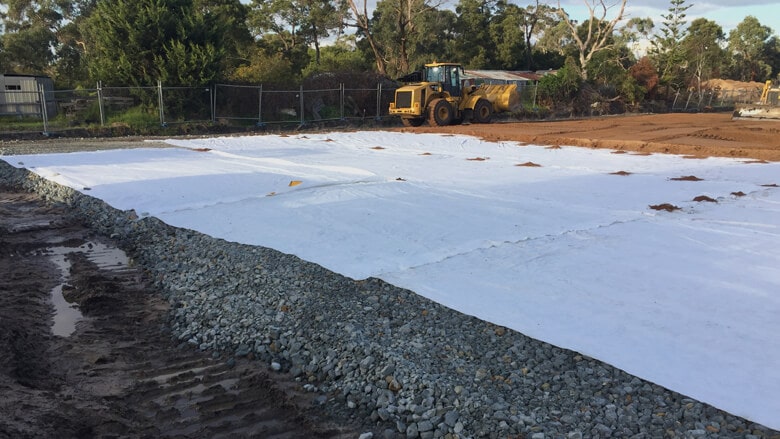
The Australian landscape is a dynamic and rich tapestry, known for its varied terrain and climates. Preserving and maintaining its integrity is not just a matter of aesthetic appeal but also environmental necessity. Whether it’s for residential projects, commercial developments, or ecological conservation, one innovative solution has been increasingly pivotal in the realm of landscape protection and stability: geofabric. So what is geofabric and how does it contribute to maintaining the health and resilience of landscapes across Australia?
Understanding Geofabric and Its Uses
Geofabric Australia refers to permeable textiles used in soil-related applications to improve its physical characteristics. Essentially, they are synthetic fabrics placed in or on the soil to offer separation, filtration, drainage, reinforcement, protection, or a combination of these functions. Not limited to a single material, geofabrics come in various forms, each designed to address specific needs within the landscape industry.
Geofabrics are a mainstay in civil engineering projects including roadworks, where they help to stabilise the ground by providing separation between different materials and improving the functionality of drainage systems. They are also utilised in the creation of retaining walls or embankments, to add an extra layer of strength and erosion control. Given Australia’s expansive coastlines, geofabric has also become integral in coastal erosion prevention strategies, safeguarding the delicate balance between human habitation and nature’s raw forces.
The applications of geofabric extend to agriculture and gardening as well, where they assist in soil separation and weed control—helping to preserve vital water resources while equipping the landscape to flourish amidst the ebb and flow of external environmental pressures. In garden settings, geofabric can be used to create effective and long-lasting paths, and in the fields, it offers valuable reinforcement to irrigation systems.
The Significance of Geofabric in the Australian Context
Australia’s environment can be challenging to manage. From drought-ridden areas that require stringent water conservation measures to flood-prone regions seeking to mitigate soil erosion, the spectrum of needs is broad. This is where geofabric technology rises to the occasion. It presents a modern solution that transcends a wide range of environmental contexts, aiding in the management of the land while minimising the ecological footprint of various projects.
Moreover, as sustainability becomes an ever-increasing priority for both governmental bodies and private sectors, adopting techniques such as the usage of geofabric underscores a commitment to environmentally-sensitive development practices. This outlook aligns with global movements towards building resilience against climate change and promoting eco-friendly growth.
One cannot ignore the economical aspect, either. By employing geofabric, there is a significant reduction in maintenance costs over time. The longevity and efficiency it brings to landscape projects make it a cost-effective alternative to traditional materials which may require frequent repairs or replacements.
Geofabric Installation and Maintenance
Implementing geofabric into a project necessitates thoughtful planning and specialised knowledge. The fabric must be chosen according to the purpose it is meant to serve, taking into account the soil type, level of expected load, potential chemical exposure, and longevity of the application. Proper installation is critical to its success, with careful attention to overlap, securing mechanisms, and protection during placement to ensure optimum performance.
Maintenance demands vary based on environmental conditions and the specific usage scenario of the geofabric. Generally, it is low-maintenance, though periodic inspections are recommended to assess for any damage or sediment build-up. It is a hard-wearing material but may require some attention after extreme weather events or significant changes in the landscape.
In conclusion, geofabric Australia represents an intelligent response to the complex demands of landscape management. It balances the scales between human need for development, aesthetic preferences, and the overarching ethos of ecological protection. As Australia continues to grow, geofabric stands as a silent but mighty ally, fostering the integrity and resilience of its vast landscapes. For those in the business of shaping our environment, recognising and harnessing the capabilities of geofabric will indubitably lead to more successful and sustainable outcomes.


