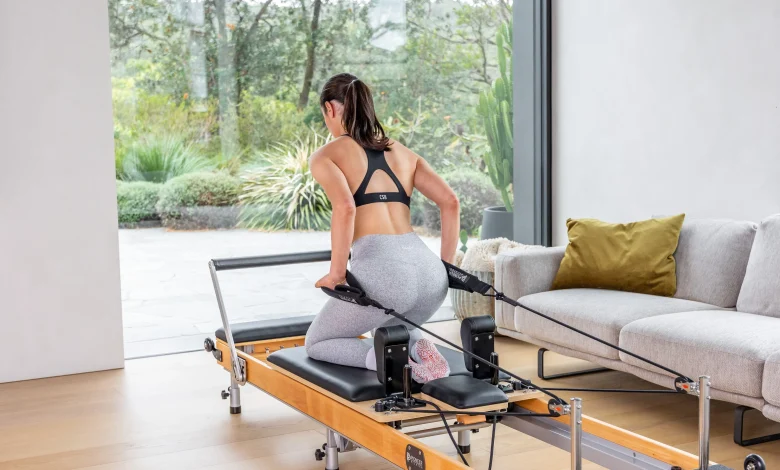
A pilates reformer can transform the way people approach strength, flexibility, balance and controlled movement. Rather than relying on fixed weights or high-impact activity, the machine uses a sliding carriage and adjustable springs to create resistance across a wide variety of exercises. This adaptable design means one machine can support lower-body training, upper-body conditioning, core exercises, stretching and coordination work. The resistance can be modified for different movements, while the carriage encourages the user to remain controlled throughout each repetition. A pilates reformer can be found in professional studios, rehabilitation environments, fitness centres and private homes. As home training becomes more popular, buyers now have access to machines ranging from compact folding models to substantial studio-style equipment. Choosing between these options requires an understanding of how the machine works, what features affect performance and how the equipment will fit into a realistic exercise routine.
What Makes A Pilates Reformer Different?
A pilates reformer consists of a frame containing a padded platform known as the carriage. This carriage moves along rails as the user presses against a footbar or pulls on straps connected to the resistance system. Springs control how much force is required to move the carriage. Different spring combinations allow the resistance to be increased, reduced or redistributed according to the exercise. The machine also usually includes shoulder rests, a headrest, ropes, hand loops, foot straps and an adjustable footbar. Some models feature additional components such as carriage stoppers, elevated legs or rapid rope-adjustment systems. Unlike equipment designed for one isolated movement, a pilates reformer can be used in lying, sitting, kneeling and standing positions. Small changes in body placement can completely alter the muscles involved and the level of difficulty.
Benefits Of Training With A Pilates Reformer
Reformer exercise is often described as low impact, but that does not mean it lacks intensity. Spring resistance and carriage instability can make even simple-looking movements physically demanding. The machine can be adjusted to support beginners while also providing enough variety for more experienced users.
Whole-Body Resistance
A pilates reformer allows the upper and lower body to be trained within the same session. Footbar exercises can target the legs and hips, while straps can be used to challenge the arms, shoulders and back. Many movements involve several muscle groups simultaneously. A leg exercise may also require abdominal stability, shoulder control and coordinated breathing. Resistance can be altered by changing springs, adjusting body position or increasing the distance travelled by the carriage. These options allow progression without depending entirely on heavier external weights.
Core Control
Core training is incorporated into much of the work performed on a pilates reformer. The abdominal muscles, pelvic stabilisers and muscles surrounding the spine often work to keep the trunk steady while the carriage moves. This differs from treating core exercise as a separate collection of sit-ups or crunches. The trunk is frequently required to resist rotation, extension or unwanted movement while the arms and legs complete another task. Exercises performed while kneeling, standing or supporting the body in a plank position can create particularly demanding stability challenges.
Flexibility And Mobility
The moving carriage can help users explore controlled ranges of movement through the hips, shoulders and spine. Straps may provide assistance during some exercises while creating resistance during others. This makes it possible to combine mobility and strength. Instead of passively holding a stretch, the user may need to control movement through an extended position. A pilates reformer can therefore support a training style that develops flexibility while maintaining muscular involvement and body awareness.
Balance And Coordination
Standing and kneeling on a moving platform requires focus. The user must manage the carriage, springs and body position at the same time. These exercises may improve balance, coordination and awareness of how weight is distributed across the body. Uneven pressure can often be felt immediately because the carriage may move inconsistently. Beginners should develop confidence with supported movements before attempting advanced standing exercises.
Low-Impact Training
Most exercises are performed without repeated jumping or heavy contact with the floor. This may appeal to people who want to train strength and endurance while reducing impact on the joints. The pilates reformer can still create substantial muscular effort through spring tension, slow repetitions and extended time under resistance. Low impact should not be confused with universally appropriate. People with injuries, pain or health conditions should seek professional advice before beginning a new program.
How To Select A Pilates Reformer
The right machine depends on who will use it, how often it will be used and where it will be located. A machine intended for occasional personal workouts will face different demands from equipment operating throughout the day in a studio. Before purchasing, buyers should compare frame construction, carriage quality, spring range, machine dimensions, storage options and warranty coverage. A well-designed pilates reformer should offer stable support, smooth movement and practical adjustments for the intended user.
Frame Strength
The frame supports every exercise performed on the machine. It should remain stable when the carriage moves and when the user changes position. Timber, aluminium and steel are common frame materials. Each can provide dependable performance when the machine is properly engineered and assembled. Timber machines often have a traditional studio appearance, while aluminium frames tend to create a modern commercial look. Steel is frequently used in home equipment because it can provide strength in a practical format. Construction quality matters more than material alone. Weak joints or poor connections can reduce stability even when the frame itself appears substantial.
Carriage Performance
The carriage should move smoothly along the rails without sticking, wobbling or creating excessive noise. Poor movement can interrupt exercise rhythm and make controlled repetitions more difficult. Wheel design, bearings and rail alignment all influence carriage performance. Some machines use multi-wheel systems to improve stability and distribute pressure along the track. The carriage should also be appropriately sized. Taller users may need greater travel distance, while broader users may benefit from a wider padded platform. Padding should be firm enough to provide support while remaining comfortable during kneeling, seated and lying exercises.
Spring Resistance
Springs are responsible for most of the resistance provided by a pilates reformer. Machines often include several springs with different tension levels. A useful system should provide enough combinations to accommodate both light and demanding exercises. Small resistance adjustments are valuable because different muscle groups may require different settings. Spring colours should not be compared across manufacturers without checking the stated resistance. Colour codes are not necessarily consistent between brands. Replacement springs should be available because repeated use gradually affects their performance. Buyers should also check whether the manufacturer provides guidance about spring inspection and replacement.
Footbar Positions
The footbar acts as a pushing surface during footwork, bridging, planking and several upper-body exercises. Multiple footbar positions can help accommodate different body proportions and movement ranges. A suitable adjustment system should be secure and easy to operate. The footbar should not shift when pressure is applied. Users should confirm that it is correctly locked before beginning an exercise. Some machines allow both angle and horizontal position changes, which can provide greater flexibility when several people use the same equipment.
Headrest And Shoulder Supports
The headrest supports positioning during selected lying exercises. It may include flat, medium and elevated settings. Shoulder rests help prevent the body from sliding toward the back of the carriage. Their shape, spacing and firmness can affect comfort. Adjustable or removable shoulder supports may be useful when a pilates reformer is shared by users with different body dimensions. The headrest should not always remain raised. Certain exercises require it to be flat, especially when the hips are elevated or the spine moves through a larger range.
Planning Space For Home Training
A pilates reformer occupies more room than its frame measurements suggest. Users need additional clearance to mount the machine, use the straps and complete exercises beside the carriage. The available space should be measured before ordering. Buyers should also measure doorways, hallways, staircases and other areas along the delivery path. A machine may fit comfortably inside the exercise room but still be impossible to move through a narrow entrance.
Permanent Placement
Keeping the pilates reformer permanently assembled can make regular training easier. The user can begin a session without moving furniture or rebuilding equipment. A dedicated area also provides space for accessories, cleaning supplies and instructional devices. The floor should be level and strong enough to support the machine and user. Protective flooring may help prevent marks on timber or other delicate surfaces.
Folding Machines
A folding pilates reformer can be useful in apartments, shared rooms or multipurpose spaces. The machine may fold at the frame, collapse at the legs or reduce its length through another mechanism. Buyers should examine the folding process carefully. A machine that is difficult to lift, secure or unfold may become inconvenient over time. The locking system should hold the machine firmly when it is opened for exercise. Stability should not be sacrificed simply to achieve compact storage.
Vertical Storage
Some machines are designed to stand upright when not in use. This can significantly reduce the amount of floor space they occupy. Vertical storage should only be used when the manufacturer approves it. A machine not designed for upright storage may fall, damage the carriage or place unnecessary pressure on the frame. Transport wheels can make the process easier, although the total machine weight must still be considered.
Choosing Useful Accessories
Accessories can expand the exercise range of a pilates reformer, but not every available item is essential. A buyer should consider whether accessories are included in the purchase price and whether compatible replacements can be sourced later.
Sitting Box
A sitting box changes the user’s position relative to the carriage and straps. It supports seated, side-lying, kneeling and prone exercises. The box can also make some movements more comfortable by creating a broader or elevated support surface. It should fit securely on the carriage and remain stable during use.
Jumpboard
A jumpboard attaches near the front platform and provides a large surface for pressing or jumping movements. The user remains lying on the carriage, reducing the impact associated with landing on a hard floor. This can create a controlled way to add faster leg movements and cardiovascular work. Spring selection is particularly important during jumpboard exercises because the carriage must remain controlled throughout take-off and return.
Platform Extender
A platform extender increases the stationary surface near the footbar. It can provide additional room for standing exercises, lunges and transitions. The extender should be designed for the specific machine because dimensions and attachment methods can vary.
Small Pilates Props
Exercise rings, balls, resistance bands and light hand weights can be added to selected movements. These props may increase resistance, provide feedback or encourage correct alignment. They should be introduced with a clear purpose rather than added to every exercise.
Home And Commercial Pilates Reformer Differences
A commercial pilates reformer is generally designed for frequent use by instructors and multiple clients. It may have a heavier frame, elevated working height, durable upholstery and extensive adjustment options. Professional machines may also offer faster transitions between settings because instructors need to adapt equipment throughout the day. Home models often prioritise affordability, portability and space efficiency. Some are lower to the ground or include folding components. A home machine can still provide excellent performance. The important consideration is whether its construction and features match the expected frequency of use. Someone exercising daily or sharing the machine with several household members may benefit from investing in a more robust model.
Safe Use And Regular Maintenance
Every session should begin with a quick equipment check. Springs should be connected correctly, ropes should be even and the footbar should be locked. Clips, straps and attachment points should not show signs of damage. The carriage track should remain free from objects, hair and dust. Users should control the carriage in both directions. Allowing it to slam into the stopper can damage components and reduce exercise quality. The pilates reformer should be cleaned according to the manufacturer’s recommendations. Strong chemicals may damage upholstery or coatings. Springs should be inspected for changes in shape, corrosion or separation. Worn ropes and straps should be replaced before they fail. Bolts, legs and adjustment mechanisms should also be checked periodically. Commercial facilities may need a formal maintenance schedule because their equipment receives greater use.
Building A Consistent Exercise Routine
Purchasing a pilates reformer does not automatically create a training habit. The machine must be convenient to access and supported by a realistic routine. Beginners may benefit from two or three structured sessions each week. Early workouts should focus on understanding spring changes, carriage control and fundamental movements. Professional instruction can provide valuable guidance during the learning stage. An instructor can identify appropriate resistance and correct positioning before poor habits become established. Online programs can also support home users when the lessons clearly explain machine setup, exercise level and safety considerations. Progress can be measured through smoother movement, improved balance, better coordination and greater range. It does not always require stronger springs or longer sessions. A pilates reformer offers considerable long-term variety when the user continues learning new exercises and adapting the machine to changing goals.
Frequently Asked Questions
What is a pilates reformer used for? It is used for spring-based strength, mobility, balance, core control and full-body exercise.
Can beginners exercise on a pilates reformer? Yes, beginners can use the machine with appropriate resistance, clear instruction and suitable exercise progressions.
Does reformer Pilates build muscle? It can support muscular strength and endurance by providing adjustable resistance across a wide variety of movements.
How large is a pilates reformer? Dimensions vary, but buyers should allow space for the full frame as well as clearance for straps, accessories and movement around the machine.
Can a pilates reformer be folded after every workout? Only models specifically designed to fold should be stored this way, and the manufacturer’s instructions should be followed.
Is a wooden frame better than an aluminium frame? Neither material is automatically better because stability depends on the complete frame design, construction quality and intended use.
What accessories should a beginner purchase? A sitting box is often the most versatile first accessory, while a jumpboard can add controlled jumping and cardiovascular exercises.
How many springs should a pilates reformer include? The machine should provide enough spring combinations for gradual resistance changes rather than simply having the highest possible number.
Can tall people use a pilates reformer? Yes, but taller users should check carriage travel, rope length, stopper positions and the distance between the shoulder rests and footbar.
How often should the machine be cleaned? The carriage and contact surfaces should be cleaned regularly, while rails, springs and moving parts should be inspected according to the manufacturer’s instructions.
Can two people with different fitness levels share one machine? Yes, provided the machine offers adjustable springs, ropes, footbar positions and settings that suit both users.
Is reformer Pilates considered low impact? Yes, most exercises avoid repeated impact with the floor, although sessions can still be physically challenging.
Should the carriage move silently? A quality carriage should move smoothly and quietly, although some normal mechanical sound may occur as springs and wheels operate.
How long can a pilates reformer last? Its lifespan depends on construction quality, frequency of use, maintenance and the availability of replacement springs, ropes, wheels and upholstery components.