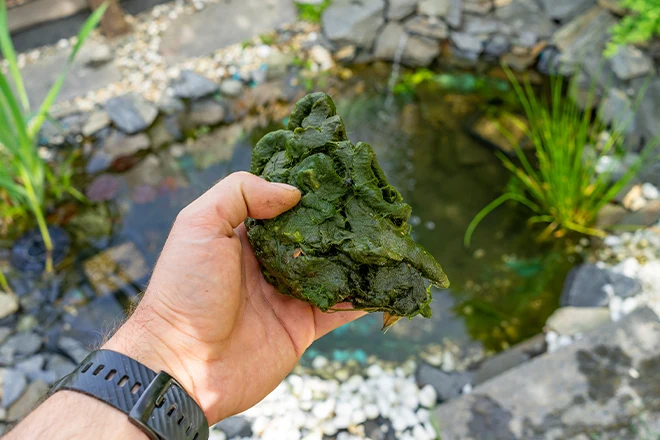
Ponds add beauty and tranquility, creating a serene environment for both people and wildlife. However, they can occasionally develop an unwelcome green layer of algae that disrupts the calm atmosphere. This article offers effective, practical methods for keeping ponds clean, clear, and healthy. By following these tips, pond owners can easily prevent common issues, preserving their pond’s peaceful charm.
Implementing Beneficial Bacteria Treatments
Introducing helpful microorganisms into your backyard water source can help significantly in controlling the algae in your pond. These microorganisms compete with unwanted green invaders by using up the nutrients that help them thrive. As a result, these unsightly guests have little to feed on, which naturally discourages their presence. The best part is that helpful microorganisms are safe for both the fish and any plants you might have, meaning they work without causing harm.
Utilizing Barley Straw for Natural Algae Control
A lesser-known, environmentally friendly method for reducing undesirable growth is the use of barley straw. This technique involves adding small quantities of straw, which, as it slowly breaks down, releases elements that inhibit the development of unwanted green residents. It is one of the easiest, chemical-free ways to keep your backyard space looking good. You can either place it in mesh bags or purchase pre-made extracts if convenience is a priority.
Enhancing Pond Aeration to Inhibit Algae Growth
Ensuring that enough air is circulating in your backyard feature plays a crucial role in making the environment less suitable for unwanted organisms. Introducing aerators or fountains can lead to improved oxygen levels, which helps limit any unwanted spread of algae by creating conditions that hinder their survival. The additional movement also helps avoid stagnation, which is often a common contributor to unwanted blooms.
Employing Ultraviolet (UV) Clarifiers for Algae Management
Another fantastic tool for reducing any unwanted algae is ultraviolet light technology. These units are easy to install and work by passing water through a chamber that contains ultraviolet bulbs. The light changes the structure of unwanted particles, clumping them so that a filter can remove them from the water column. This results in a visually cleaner environment and improved overall health for aquatic life.
Introducing Algae-Eating Fish Species
Some varieties of aquatic animals have a natural appetite for algae. By introducing such species, you provide a natural solution without much effort. Fish, like Siamese eaters or certain types of koi, do an excellent job of grazing on tiny organisms that may be unwelcome. Besides serving as a useful tool, these creatures can also enhance the overall beauty and liveliness of your backyard space.
Regular Pond Maintenance and Debris Removal
Constant upkeep is another major key to keeping your backyard feature in good shape. Waste like leaves, branches, or uneaten food can create excess nutrients in the water, leading to increased growth of algae. Regularly skimming the surface and removing settled debris helps eliminate a key food source for algae, keeping the water clear. Additionally, routinely cleaning filtration systems and pumps can enhance these results even further.
Effectiveness of Liquid Algae-Control Products
Using specially designed solutions is an effective way to target unwanted organisms directly. These solutions usually contain elements that work to disrupt unwanted cell functions, eventually leading to their death. Such products can provide rapid results and are simple to use, often requiring you to mix and pour them into your backyard water feature. Despite being potent, many are safe for aquatic life, making them an excellent option when other techniques are insufficient.
Maintaining a clean environment, promoting good water circulation, introducing beneficial species, and using targeted treatments are all effective strategies for controlling the algae in your pond. These methods help create a healthy, visually appealing space. The aim should always be to take a balanced approach that keeps things clean while also supporting the well-being of aquatic life and plants, ensuring long-lasting beauty.